
All grievers ask some version of the same question:
“How long will this last?”
“Will I always feel this bad?”
In the early days after losing a child, the emotional overload is intense. It can feel unbearable. When you’re that flooded, you’re just trying to survive.
In the first months and years after my son Burvan died, I didn’t think I could survive. When I heard someone say you live with this kind of loss forever, I thought, I won’t make it.
What I didn’t understand then is that grief changes.
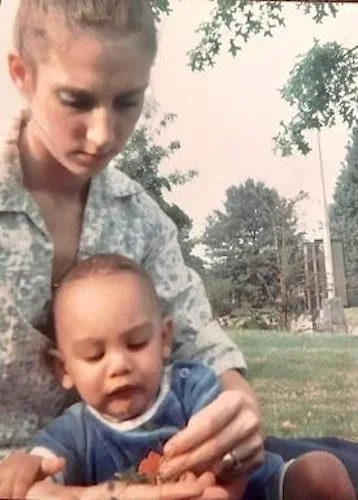
When Grief Overwhelms the Nervous System
In the beginning, my system was flooded. I wanted the intensity to stop.
When emotions exceed our capacity to process them, the nervous system protects us. It walls things off. This is not weakness. It’s survival.
In those early years, I wasn’t metabolizing grief. I was enduring it.
The Years I Thought I Was “Handling It”
Over time, I rebuilt my life. I even helped others. From the outside, it looked like I was doing well.
But I sensed I was cut off from parts of the ache, even after years of meaningful therapy.
Grief is not processed by thinking harder or staying busy. It integrates when the nervous system has enough support to feel what it once could not. If grief remains unintegrated, we move forward, but something stays walled off.
When Something Shifted
Years later, while pursuing certification in Lifespan Integration and doing the work myself, something began to change.
Space opened in ways I had never experienced before. The walls that had formed in those early years began to soften. More memories surfaced, and with them, more nuanced layers of grief.
In some ways, my grief deepened.
But my capacity deepened too.
One of the most meaningful changes was internal. The harsh voice judging how I coped softened. Self-compassion slowly replaced self-contempt.
As my nervous system integrated what it had been holding, I felt more connected — not only to my grief, but to myself.
The Life That Didn’t Unfold
March 2nd was one of the best days of my life. My son’s birth reshaped me. His death reshaped me again.
He was my only child. The line of motherhood, as I imagined it, ended with him.
My grief still flows.
I can sit with a friend who speaks proudly about her children and feel joy for her and ache for myself at the same time. I can watch someone share photos of their grandchildren and feel the sharper edge of another loss I didn’t plan for when my toddler died, just shy of three.
In earlier years, it still hurt. I never stopped missing him. But some layers of that deeper ache were walled off. My system could not yet hold the full weight of what was lost.
Today, I am more open to those edges.
The difference now is not that it doesn’t hurt.
The difference is that I can feel it — and stay present with it.
Those moments pierce, but they don’t shatter me.
People rarely ask how you’re doing many years later. The world moves forward, and you learn to hold space for yourself.
On his birthday, I return to that day and remember that I am still a mother.
And that matters.
So… Will You Grieve Forever?
If you mean:
Will this intensity always feel this overwhelming?
No.
With the right support, your capacity can grow and your nervous system can integrate what once felt unbearable.
But if you mean:
Will I always love my child?
Will certain dates carry weight?
Will there be seasons when it feels tender?
Yes.
You do not stop loving, nor would you want to.
Grief does not end the way many imagine it will.
Grief this deep doesn’t resolve on it’s own. When it’s supported and integrated, it changes. It’s something you will carry rather than something that keeps you stuck.
Whether you’re in the early days of loss and can’t imagine surviving it, or years have passed and something still feels walled off inside you, please reach out. I offer grief therapy and trauma therapy in Renton, WA and online across Washington.
I invite you to reach out for a complimentary consultation so we can explore whether we’re a good fit.
With care and compassion,
Jacquelyn
Written by Jacquelyn Baker
Space for Grief — Renton, WA
In-person & online therapy across Washington
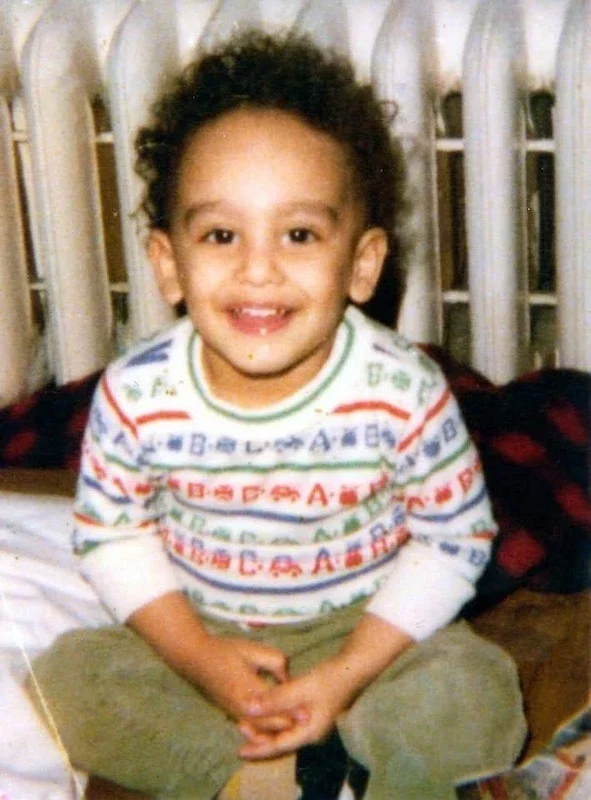
In honor of my beloved son, Burvan
(pronounced Bur-von)
