
What to Do With Your Pet’s Belongings After Loss: Honoring Their Memory
A therapist’s reflections on what to do with your pet’s belongings after loss
The Ache of Absence
Whenever I lose a dog, I’m struck by two things at once: the sharp ache of grief and the quiet waves of absence that follow. Their presence is gone, along with the daily rhythm we built together. The routines, the silent understanding, and the unique personality that filled the house with life are missing now. The stillness left behind feels disorienting. And yet, their things remain.
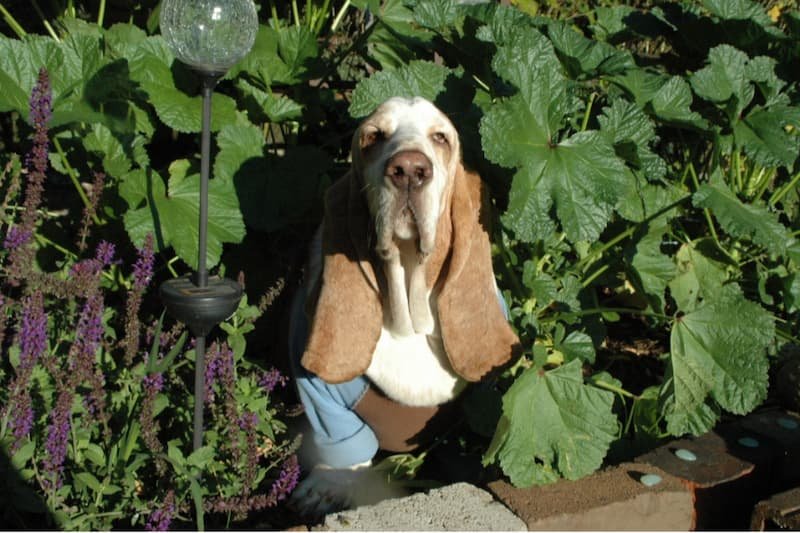
This is Choppy, one of the Bassets who taught me so much about love, care, and saying goodbye.
A Bond That Leaves an Imprint
Our pets accept us in ways few humans do. They sense when we need comfort, follow us from room to room, and delight in our presence. That kind of bond leaves an imprint. It’s why grieving them can feel so hard.
Why Their Things Can Feel So Heavy
What catches me most off guard is the quiet emptiness their absence leaves behind. It shows up in the loss of routines, and in the things that remain.
Reaching for the leash without thinking.
Passing the empty bed.
Seeing the bowl they’ll never use again.
These objects were more than just things. They were part of our rhythm; woven into the everyday care and connection we shared. When that rhythm breaks, even the smallest item can make the absence feel immediate and sharp.
Their belongings won’t bring them back, but being near them can stir something deep. Sometimes it’s a wave of warmth and memory. Other times, it only deepens the ache of knowing they’re gone.
You might feel ready to pack something away one day, then find yourself undone by it the next. That isn’t a sign you’re grieving wrong. It’s just how grief moves.
Gentle Ways to Honor Their Memory
When it feels right, you might create a small memory space, plant something in your pet’s honor, or donate items to a shelter. A colleague once told me that after her family’s beloved Golden Retriever died, they planted an ornamental tree in their yard. Over time, it became the centerpiece of their garden and a living tribute that helped keep his memory alive.
These are simply options for honoring your pet’s life and the belongings that carry their memory. Choose what feels right for you. Grief doesn’t need to be managed. It just needs room.
What I’ve Chosen to Keep
With each dog I’ve lost, I’ve saved collars and tags that stay with their ashes, photos that capture their personality, and a few favorite pieces of clothing. My Bassets wore coats, sweaters, and shirts. These were small expressions of who they were.
I’ve eventually passed along or reused other items like leashes, bowls, or toys. For me, it’s about keeping items that embody their presence.
When Letting Go Feels Especially Hard
A pet’s belongings hold more than memory. They carry comfort and the essence of the relationship that was shared. Pets shape our days in quiet ways, offering companionship and unconditional affection.
When that presence disappears, the loss can feel so disorienting You might feel panicked, untethered, or surprised by how intense your emotions feel. That doesn’t mean you’re grieving too much. It means the bond was deep.
Grief isn’t about moving on. It’s about learning how to carry the loss forward while still honoring the love that came before it.
You Don’t Have to Go Through This Alone
If the loss of your pet feels heavier than expected, or if sorting through their belongings feels overwhelming, you don’t have to navigate it alone. Pet loss grief is real. It’s deeply personal. And it deserves care. If you’d like support during this season, you’re welcome to explore pet loss therapy and reach out for a complimentary 20-minute consultation.
With care and compassion,
Jacquelyn
Written by Jacquelyn Baker
Space for Grief — Renton, WA
In-person and online therapy across Washington
